On the night of December 24, 1945, tragedy struck the Sodder family in Fayetteville, West Virginia. Jennie Sodder awoke to the sound of something hitting the roof, followed by a rolling noise. Minutes later, she noticed smoke pouring into the house. George and Jennie managed to wake four of their ten children and escaped. Despite desperate efforts to save the five children that remained inside, George was unable to re-enter the house. His ladder was missing, his trucks mysteriously wouldn’t start, and attempts to reach the fire department were unanswered due to operator issues.
When the fire ended, investigators found no trace of their five missing children, including bones. Experts later stated that bones should have been recoverable even in a fire of such intensity. That raised immediate suspicions about whether the children had died in the blaze.
Afterward, unusual puzzle pieces surfaced that didn’t make sense. Witnesses saw the missing children, aged five to fourteen, fleeing the scene in a car. Later, hotel staff reported that children of the same age checked in with a group of adults. However, the Sodders never received a ransom note or contact from anyone.
Next, during the initial incident, the Sodders could not place calls to the authorities. An investigation found that someone had cut the phone line. Further, George’s ladder was in an embankment far from their home.
In the following weeks, one of George’s sons, who had escaped the fire, stated that he had noticed a strange car parked along the main highway, watching the younger Sodder children as they returned from school.
The Fire Department concluded the fire had started from a faulty electrical wire. Still, Sodder denied that charge, as he had recently rewired their home. Also, the Christmas lights were on while the house burned.
The Sodders worked tirelessly to find their children. A few years later, Jennie Sodder received a photograph of a young man who resembled her son Louis. The mysterious handwriting on the back of the photo stated, “Louis Sodder, I love brother Franki, Ilil boys, A90132 or 35. Though never analyzed, the message continued to fuel their belief that the children were still alive.
A look into the life of George Sodder found that he had made disparaging remarks about Benito Mussolini, that angered the Italian community. Sodder revealed that before the fire, a salesman approached him and threatened to set his home on fire and destroy his family if he continued his “dirty remarks” about Mussolini. Could the children have been abducted as retribution?
Chief F.J. Morris told George to leave the site undisturbed so that the state fire marshal’s office could conduct a more thorough investigation. However, after four days, George and his wife could not bear the sight anymore, so he bulldozed five feet (1.5 m) of dirt over the site to convert it into a memorial garden for the lost children. The local coroner convened an inquest the next day. What’s surprising is that one of the jurors was the salesman who had threatened George about his anti-Mussolini remarks. What are the odds of that happening as a coincidence? The jury concluded that the fire was not a criminal act and issued death certificates for the children.
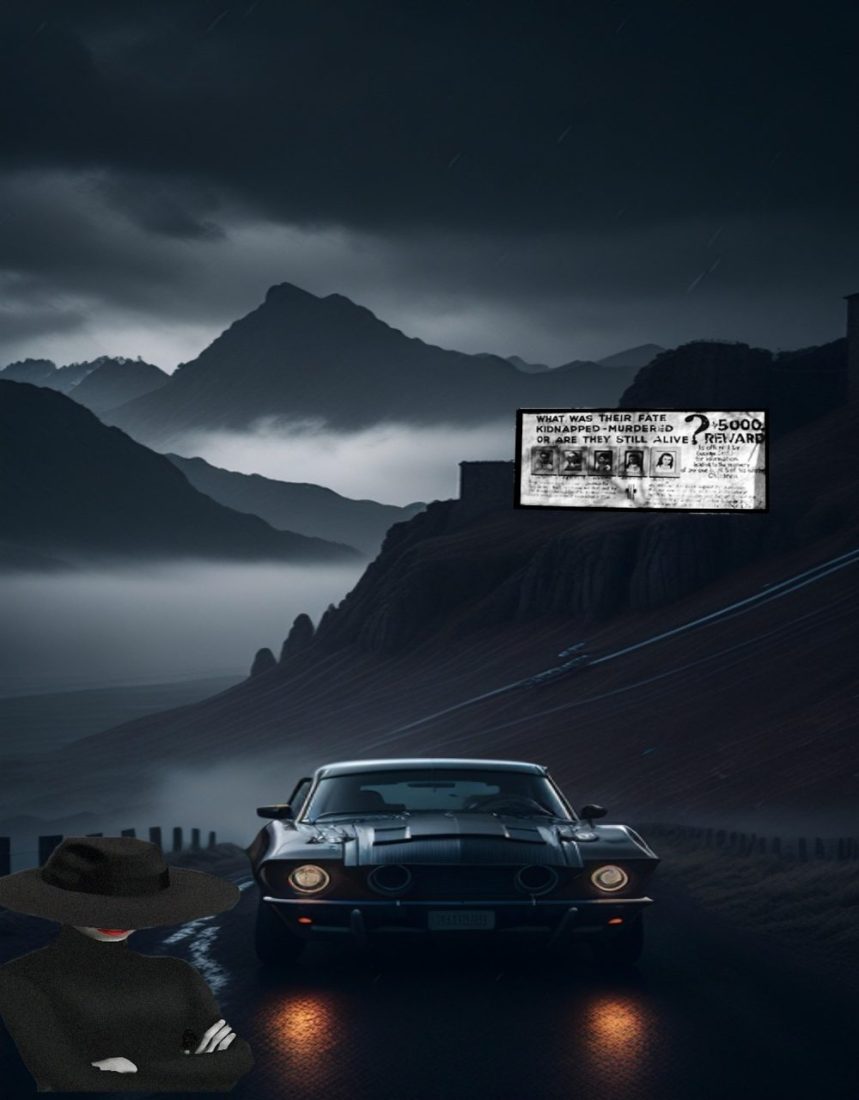
The Sodders never gave up hope. They erected a billboard along Route 16 near Fayetteville, displaying the children’s pictures and offering a reward for information. Jennie wore black for the rest of her life, mourning her lost children while refusing to accept they had died in the fire.
Today, the case remains one of American history’s most perplexing mysteries despite investigations by private detectives, tips from across the country, and widespread media coverage.
What do you think happened to the Sodder children? Share your thoughts in the comments below.
Harper

 HARPER GALE BOOKS